


玉观音
"China Cool" appeals to international tourists in more ways than one_我的网站

A |
新华社广东江门7月31日电 31日,2022年全国男排锦标赛在广东江门落下帷幕,上海光明男排以3:1(25:22、25:21、23:25、26:24)击败北京汽车男排蝉联冠军。 
"I've come to nature's air conditioner."
That was the reaction of a Spanish tourist visiting southwest China's Yunnan Province this summer. Before arriving, he had been enduring temperatures of around 40 degrees Celsius. But when his flight landed in Kunming and he stepped out into the breeze, the relief was immediate. His trip in search of cooler weather had proved well worth it.
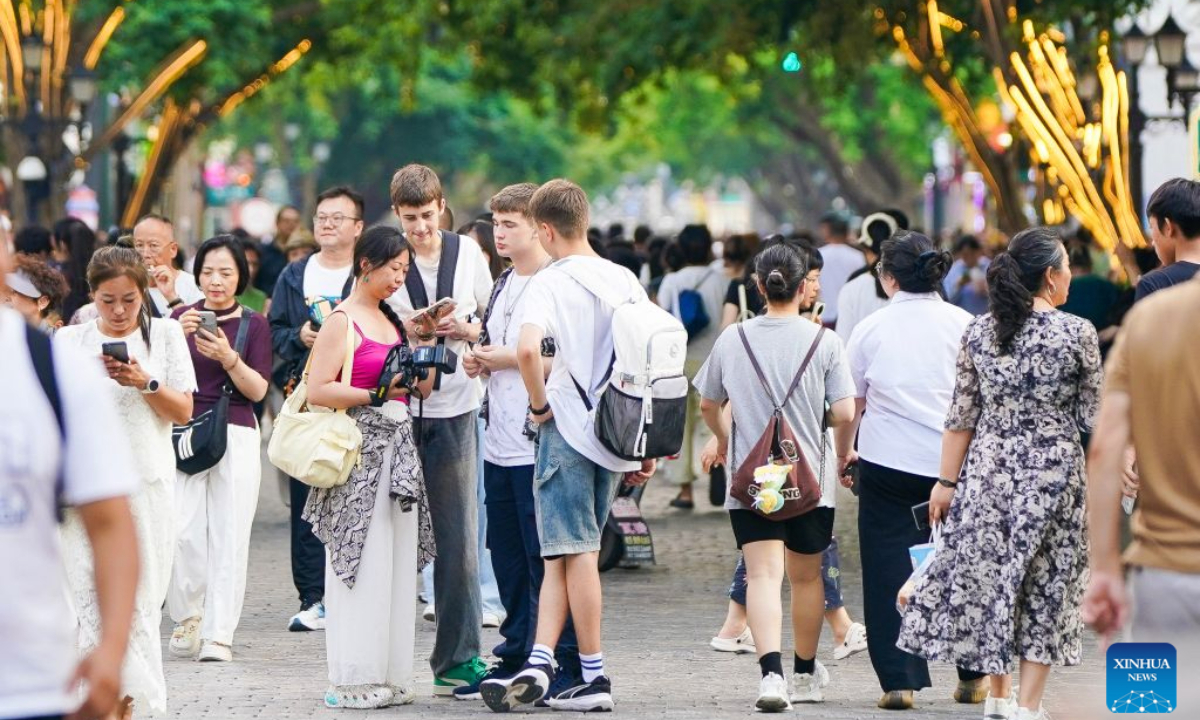
This summer, as heat waves swept across many parts of the world, an increasing number of foreign tourists are heading to China to escape the heat.
In places such as Zhangjiajie in central China's Hunan Province, where mountain scenery creates a natural cooling effect, and the water town in "Jiangnan," the scenic region south of the Yangtze River, where visitors can enjoy the slower pace of life by the canals, cool weather has become part of the travel experience itself. Local specialties and products that help people beat the heat add to the appeal.
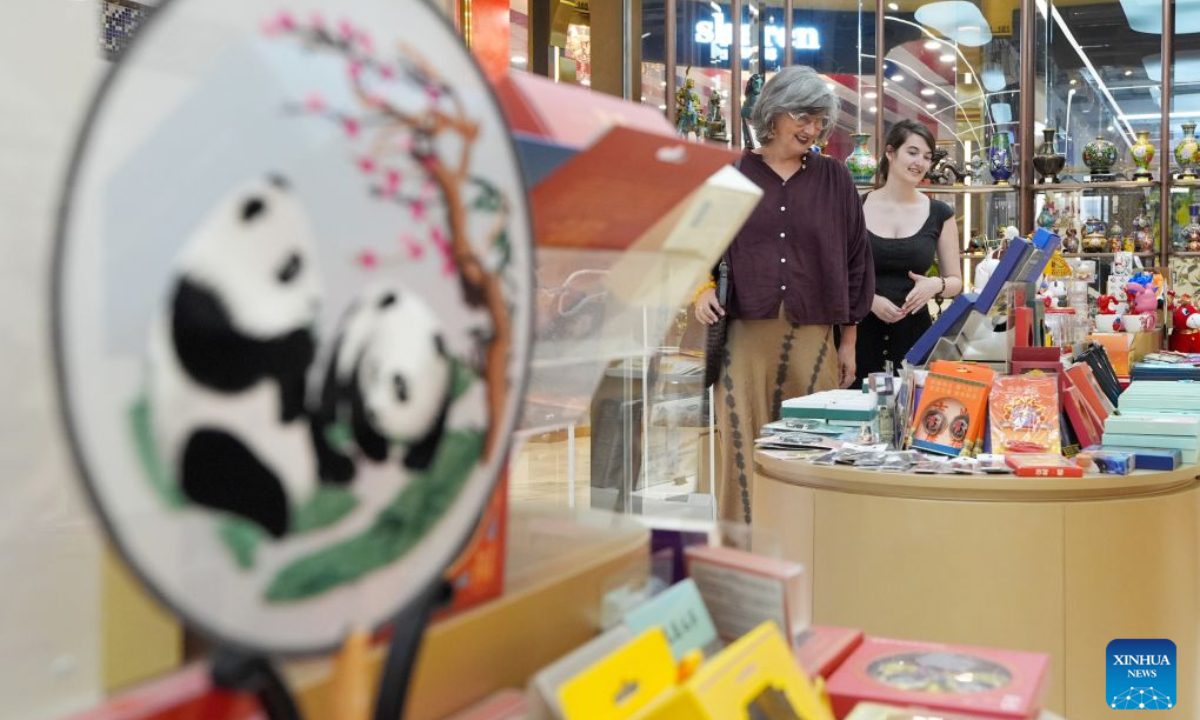
But the "cool" in "China Cool" goes beyond the weather. It also comes from the variety of experiences available to visitors. They can listen to the bells of an ancient temple at dawn, learn traditional crafts from artisans, take a high-speed train to another city, or simply order a late-night meal with a few taps on a smartphone. Such everyday experiences showcase China where tradition, convenience and modern life coexist.
That sense of "cool" is even more striking when it comes to technology. Visitors can explore smart factories, try AI glasses with real-time translation, interact with robots, and take autonomous vehicles. For many foreign visitors, these experiences offer a glimpse of China's high-tech future and add a new dimension to the country's image beyond its traditional landmarks.
The growing number of international visitors has also been facilitated by China's efforts to make travel more convenient. According to the National Immigration Administration, China received 22.91 million inbound foreign visitors in the first half of 2026, up 20.4 percent year on year. Visa-free entries accounted for 77.7 percent of this total.
As more visitors arrive and experience the country firsthand, the way China is talked about overseas is also evolving. Phrases such as "China Travel," "Becoming Chinese" and "Chinamaxxing" have gained attention on overseas social media, while "China Cool" offers a new way to capture the broader appeal of these experiences, reflecting interest in China that is no longer experienced only through its famous landmarks, but also through its culture, technology, services and everyday life.
For international visitors, China is proving to be cool in more ways than one.

。北京队和上海队是国内两支传统强队,双方球路各具特点和优势,并多次在全运会、全国联赛、全锦赛等国内顶级赛事决赛中交锋。此前的半决赛中,卫冕冠军上海光明男排以3:0横扫四川橘袋男排,北汽男排则以3:1逆转击败小组赛六战全胜的山东体彩男排。首局比赛,双方很快进入状态。北京队在战至7:5后出现配合失误,上海队乘势追击,连续得分将比分反超。双方战至17:17平,上海队请求暂停,打断了北京队的进攻势头。暂停效果明显,上海队连得4分将比分拉开,随着北京队主攻手阿代琇·殷·卡的强攻被拦下,上海队以25:22拿下首局。第二局,上海队攻势依旧强硬,很快占据主动,反观北京队失误增加,发球出界、一传不到位等情况频出,上海队以25:21再下一城。第三局,北京队放手一搏,发球成功率明显提高,在攻防两端均有加强。局末阶段,在王东宸的发球轮中,北京队连续得分将比分追至19:19平。随后,北京队多点开花,频频强攻得手,以25:23扳回一局。关键的第四局,北京队开局打出一波5:0的得分高潮,但上海队通过快攻和强有力的拦网很快追平比分并反超。21:21平后,上海队连得三分拿到赛点,命悬一线的北京队挽救三个赛点,但随着上海队发挥出色的接应武弸智扣杀得手、阿代琇扣球出界,上海队以26:24惊险拿下比赛。季军争夺战中,山东男排以3:2(24:26、25:17、23:25、27:25、17:15)险胜四川男排,获得第三名。
"I've come to nature's air conditioner."
That was the reaction of a Spanish tourist visiting southwest China's Yunnan Province this summer. Before arriving, he had been enduring temperatures of around 40 degrees Celsius. But when his flight landed in Kunming and he stepped out into the breeze, the relief was immediate. His trip in search of cooler weather had proved well worth it.
This summer, as heat waves swept across many parts of the world, an increasing number of foreign tourists are heading to China to escape the heat.
In places such as Zhangjiajie in central China's Hunan Province, where mountain scenery creates a natural cooling effect, and the water town in "Jiangnan," the scenic region south of the Yangtze River, where visitors can enjoy the slower pace of life by the canals, cool weather has become part of the travel experience itself. Local specialties and products that help people beat the heat add to the appeal.
But the "cool" in "China Cool" goes beyond the weather. It also comes from the variety of experiences available to visitors. They can listen to the bells of an ancient temple at dawn, learn traditional crafts from artisans, take a high-speed train to another city, or simply order a late-night meal with a few taps on a smartphone. Such everyday experiences showcase China where tradition, convenience and modern life coexist.
That sense of "cool" is even more striking when it comes to technology. Visitors can explore smart factories, try AI glasses with real-time translation, interact with robots, and take autonomous vehicles. For many foreign visitors, these experiences offer a glimpse of China's high-tech future and add a new dimension to the country's image beyond its traditional landmarks.
The growing number of international visitors has also been facilitated by China's efforts to make travel more convenient. According to the National Immigration Administration, China received 22.91 million inbound foreign visitors in the first half of 2026, up 20.4 percent year on year. Visa-free entries accounted for 77.7 percent of this total.
As more visitors arrive and experience the country firsthand, the way China is talked about overseas is also evolving. Phrases such as "China Travel," "Becoming Chinese" and "Chinamaxxing" have gained attention on overseas social media, while "China Cool" offers a new way to capture the broader appeal of these experiences, reflecting interest in China that is no longer experienced only through its famous landmarks, but also through its culture, technology, services and everyday life.
For international visitors, China is proving to be cool in more ways than one.
。北京队和上海队是国内两支传统强队,双方球路各具特点和优势,并多次在全运会、全国联赛、全锦赛等国内顶级赛事决赛中交锋。此前的半决赛中,卫冕冠军上海光明男排以3:0横扫四川橘袋男排,北汽男排则以3:1逆转击败小组赛六战全胜的山东体彩男排。首局比赛,双方很快进入状态。北京队在战至7:5后出现配合失误,上海队乘势追击,连续得分将比分反超。双方战至17:17平,上海队请求暂停,打断了北京队的进攻势头。暂停效果明显,上海队连得4分将比分拉开,随着北京队主攻手阿代琇·殷·卡的强攻被拦下,上海队以25:22拿下首局。第二局,上海队攻势依旧强硬,很快占据主动,反观北京队失误增加,发球出界、一传不到位等情况频出,上海队以25:21再下一城。第三局,北京队放手一搏,发球成功率明显提高,在攻防两端均有加强。局末阶段,在王东宸的发球轮中,北京队连续得分将比分追至19:19平。随后,北京队多点开花,频频强攻得手,以25:23扳回一局。关键的第四局,北京队开局打出一波5:0的得分高潮,但上海队通过快攻和强有力的拦网很快追平比分并反超。21:21平后,上海队连得三分拿到赛点,命悬一线的北京队挽救三个赛点,但随着上海队发挥出色的接应武弸智扣杀得手、阿代琇扣球出界,上海队以26:24惊险拿下比赛。季军争夺战中,山东男排以3:2(24:26、25:17、23:25、27:25、17:15)险胜四川男排,获得第三名。

B |
Current article:http://9mlz.ninyakenhongnian.sbs/list_hddhi8d/3agcl7.html
Published on:16:52:20
|